
Claude Code
FullReference implementation, with native WebFetch and slash commands.
Open methodology · MIT · Agent-agnostic
Deep Work Plan turns any repository into a structured environment — context, guardrails, and a durable plan — where any coding agent executes and finishes long-horizon work with precision and efficiency.
Copy the init.md prompt and paste it into your coding agent — Claude Code, Cursor, Codex, or any other — to make any repository AI-first.
Deep Work Plan is spec-driven development where the repository itself becomes the harness.
The problem and the answer
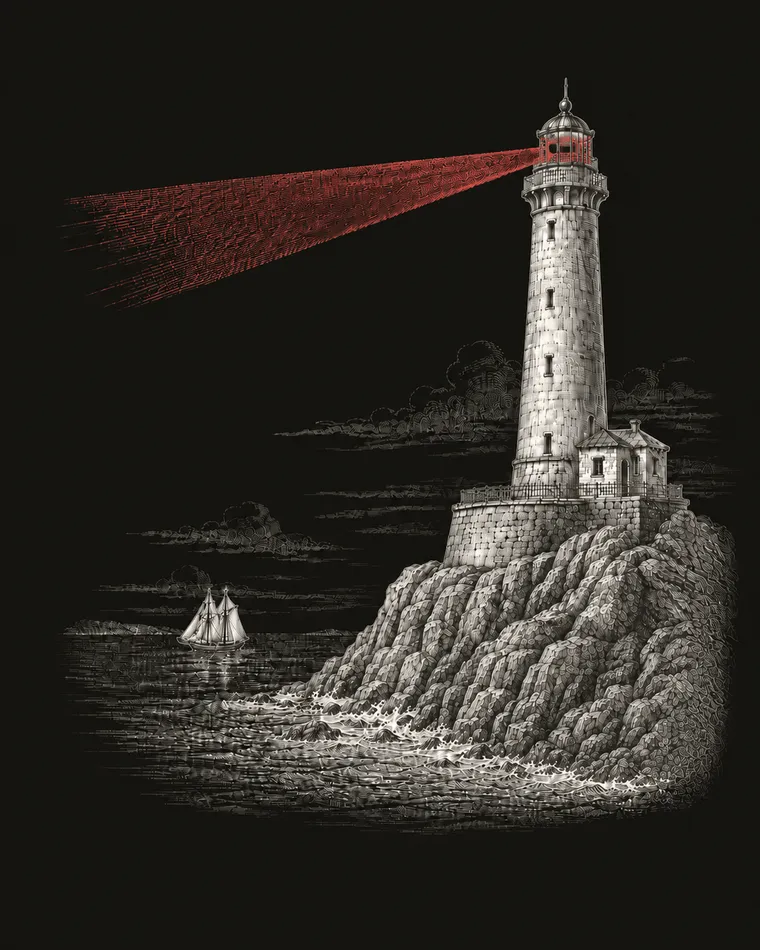
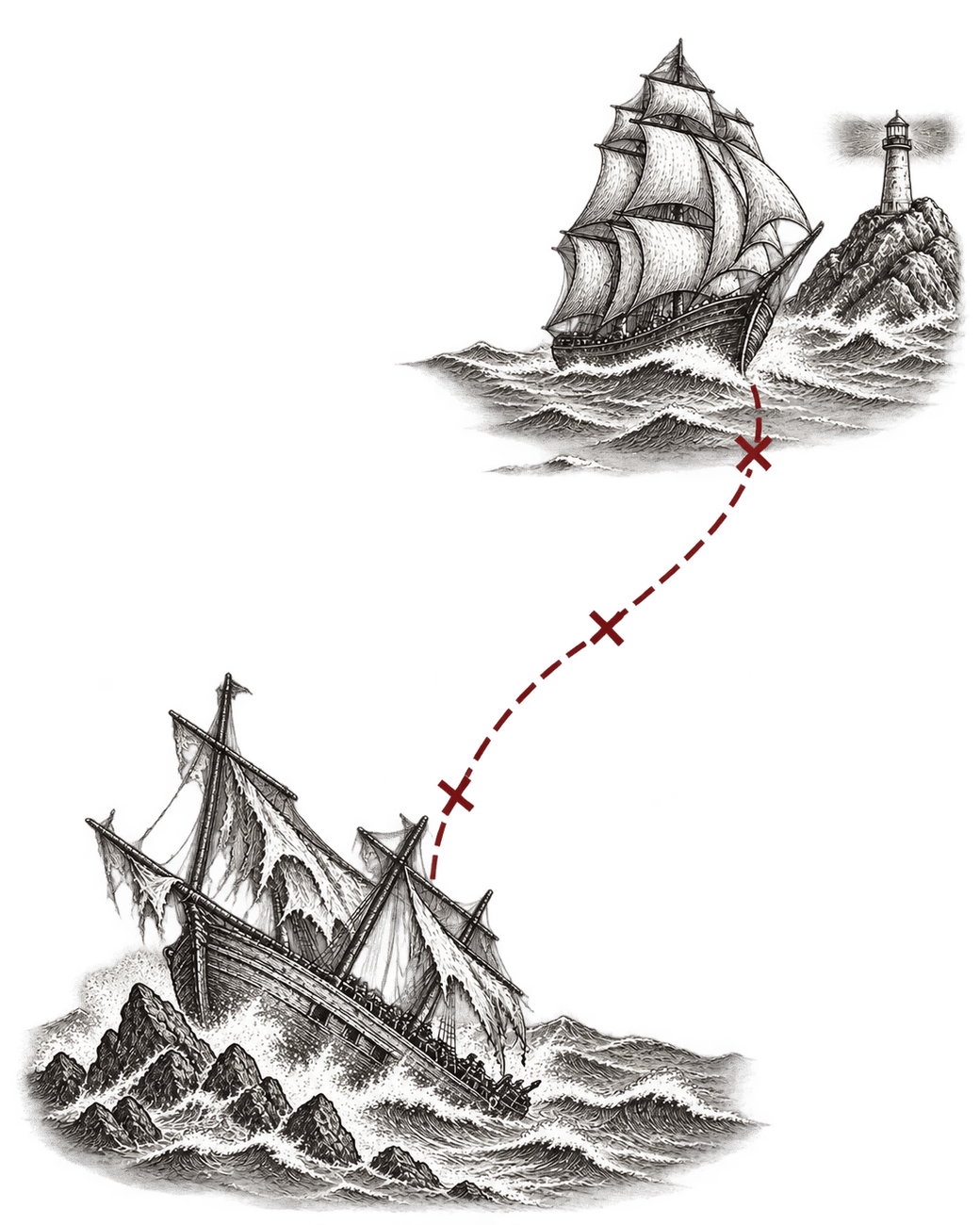
A coding agent performs beautifully on short tasks. But hand it a long-horizon mission — a migration, a new subsystem, a refactor at scale — and drift sets in: the context window fills, earlier decisions fade, and hours of work stall halfway through.
Deep Work Plan answers with spec-driven development: a durable plan, atomic tasks, and validation gates the agent must pass. Done stops being a feeling — it becomes verifiable, reviewable evidence.
And because context is the scarcest resource your agent has, the harness is engineered to keep its own instruction load small and auditable: instructions load progressively, validation touches only what changed, and every task learns locally. The load per flow is measured in bytes and published every release — the latest release cut the execute flow by 45.7% and the resume flow by 67.5%. The plan itself scales the same way: a Lite plan for a bounded fix, a Full plan for work that spans hours, the format always following the scope of the work, not the other way around.
You decide what done means and where the lines are. The plan carries your intent; the agents do the hours — no babysitting, no correcting every twenty minutes.
Read the methodology →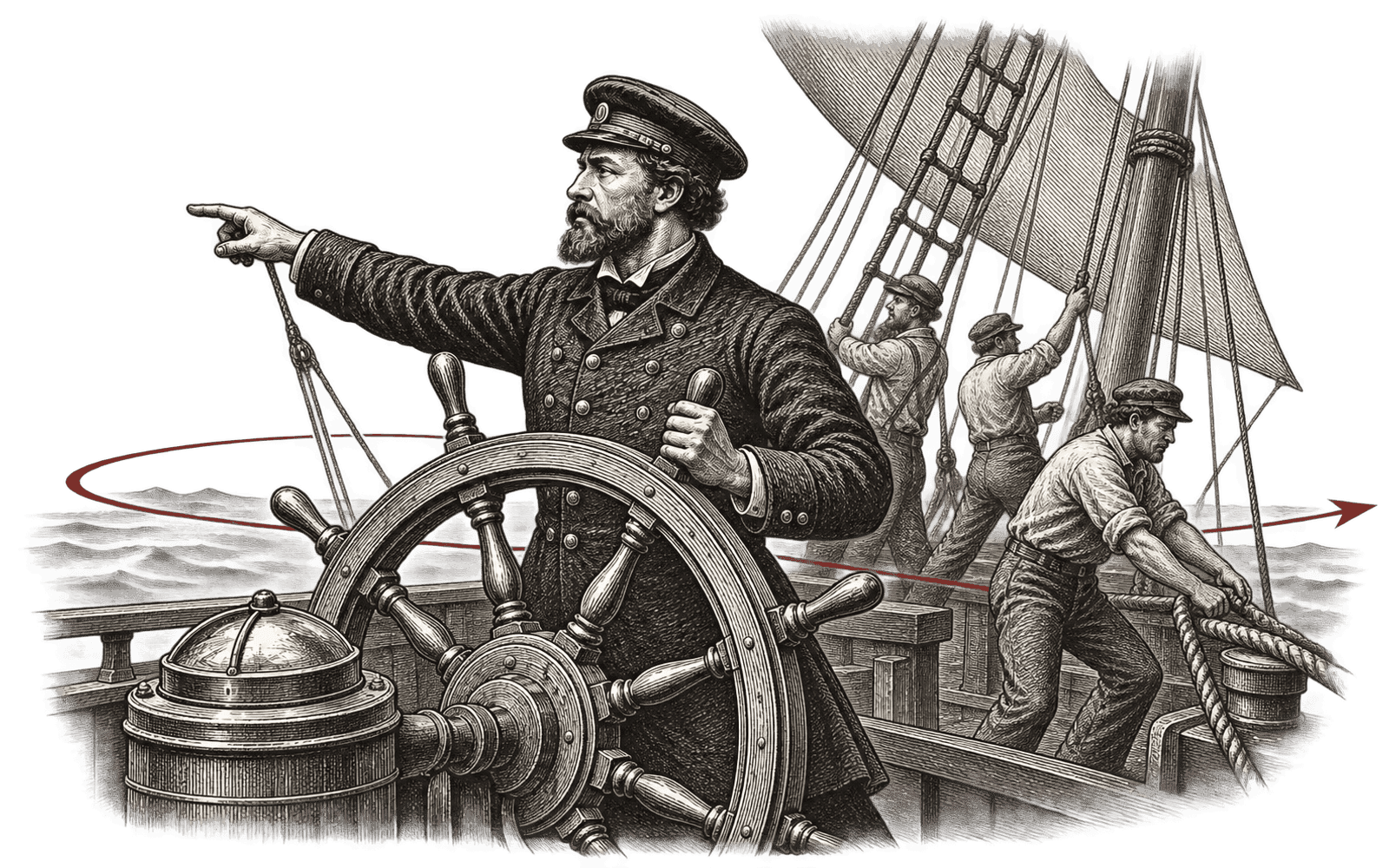
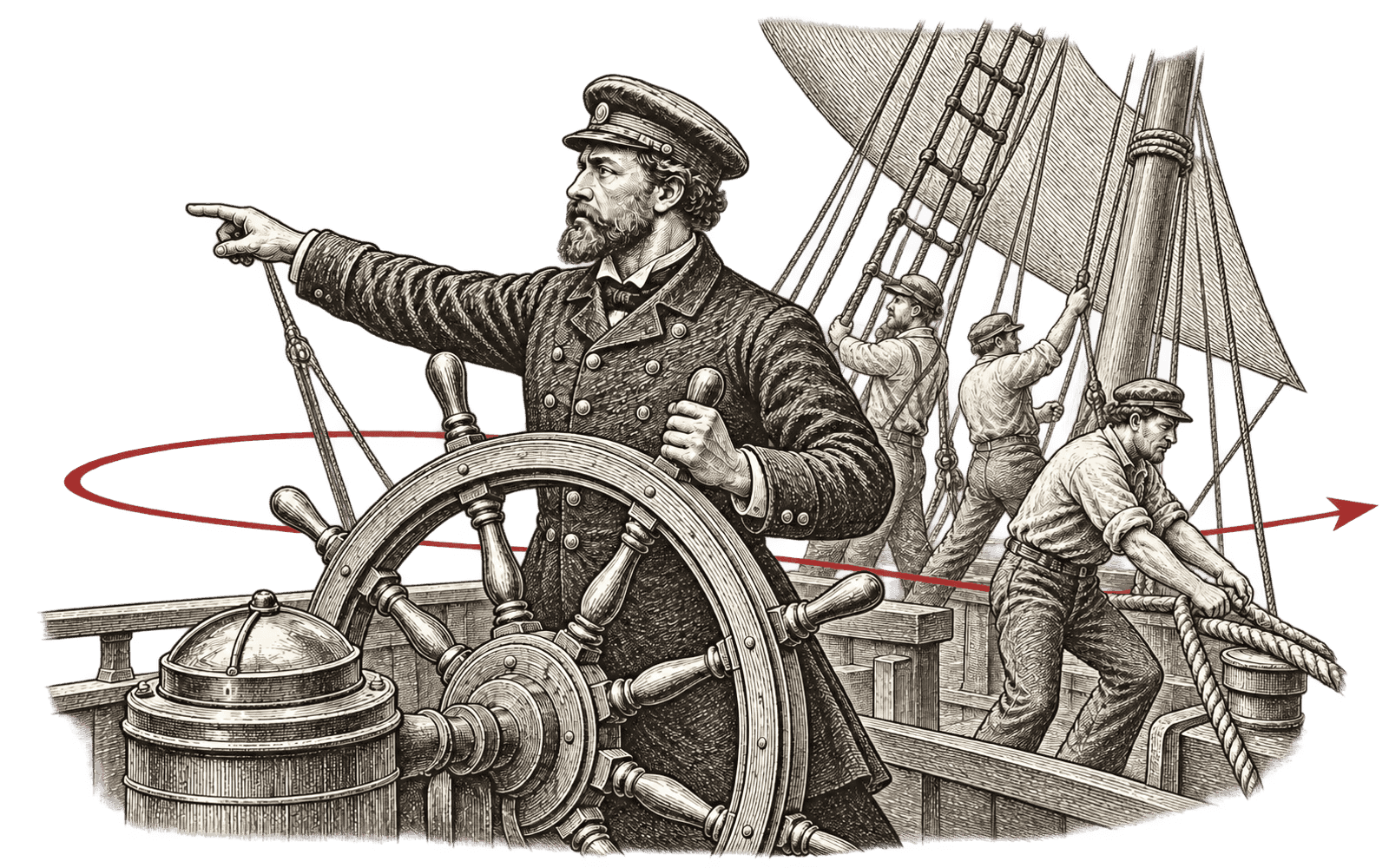
Humans steer. Agents execute.
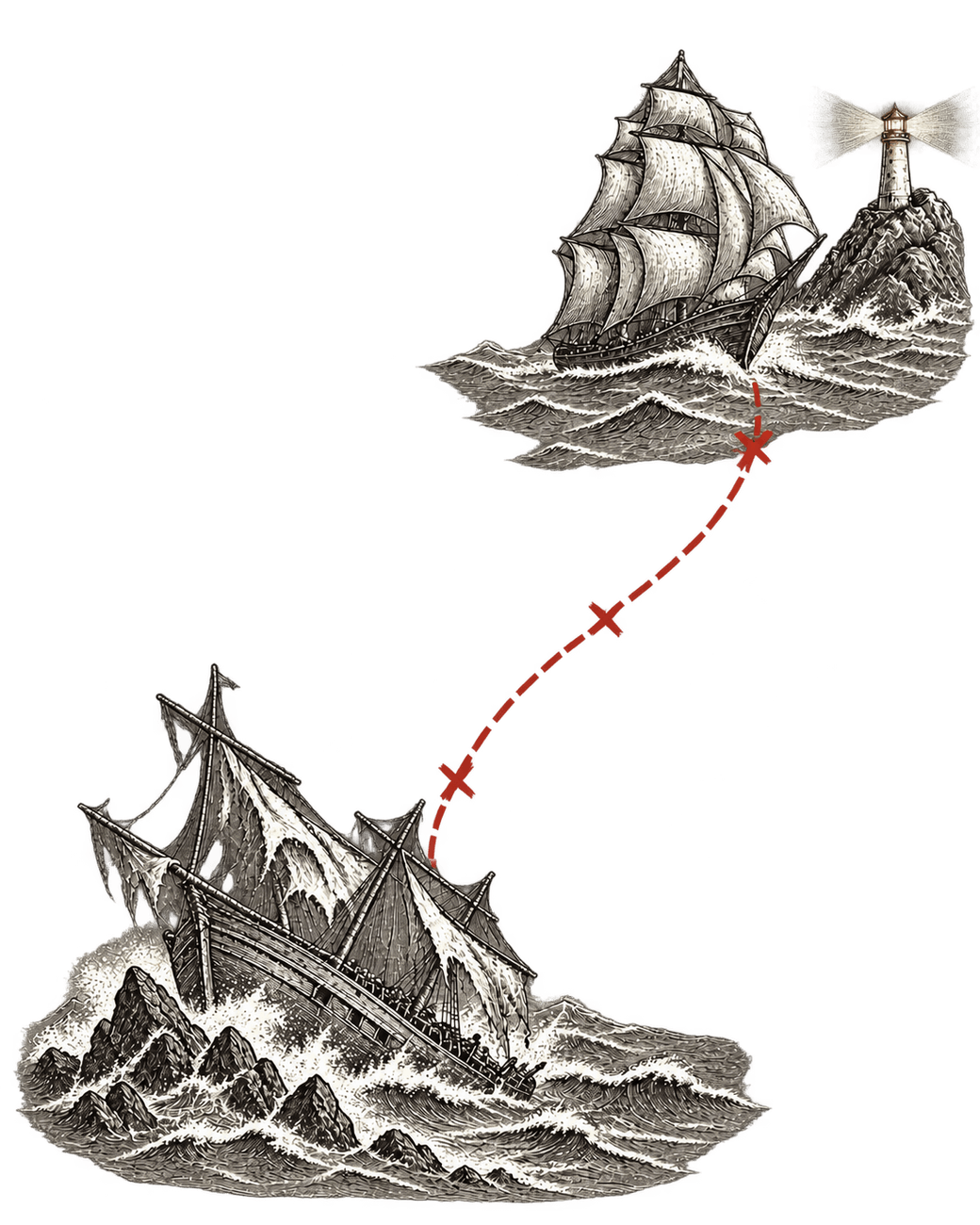
Long tasks fill any model's context. Details fall away and the agent drifts. A written plan — atomic tasks, validation gates, resumable state — is what it returns to, lap after lap.
See the core loop →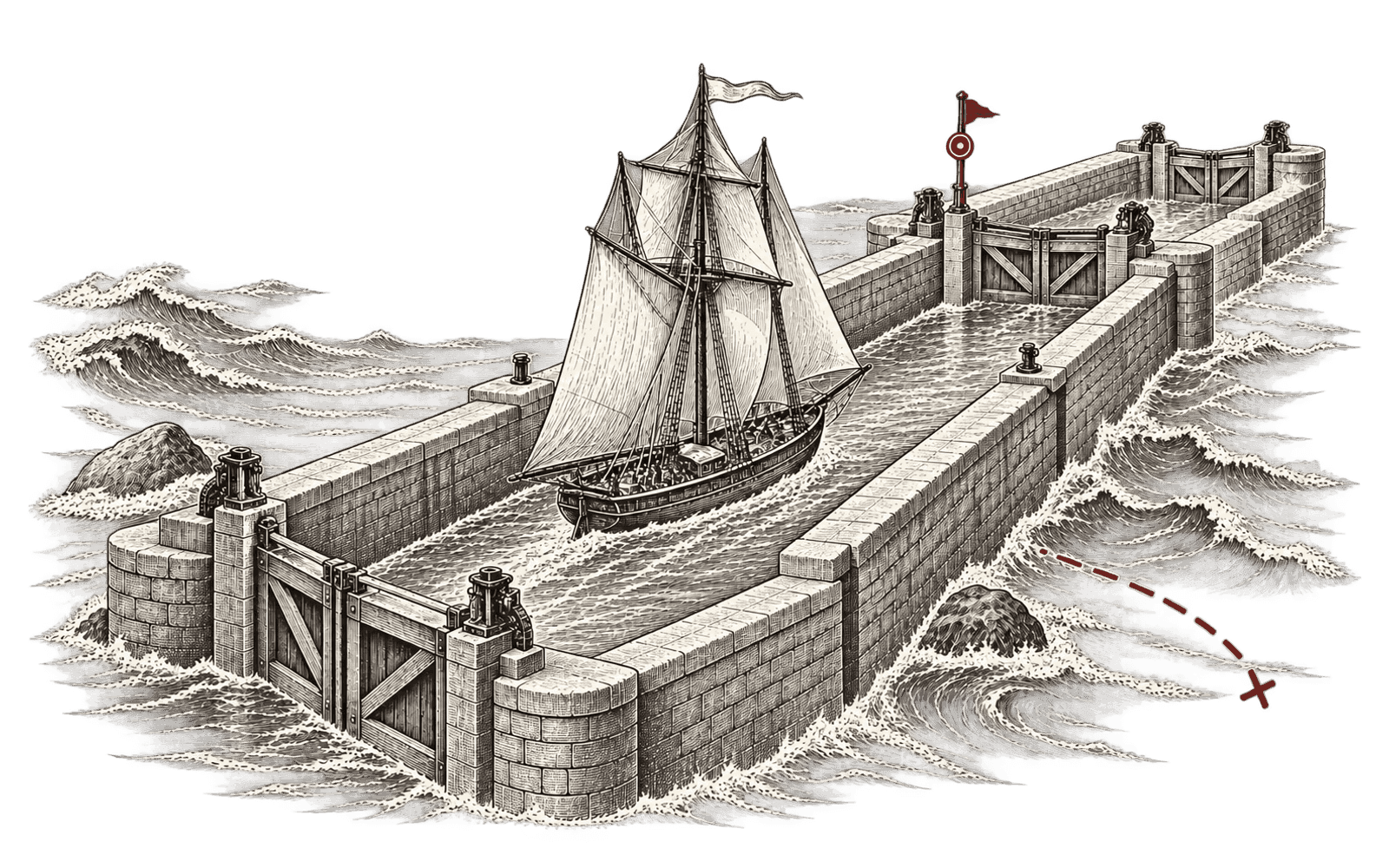
A plan agents can't drift from.
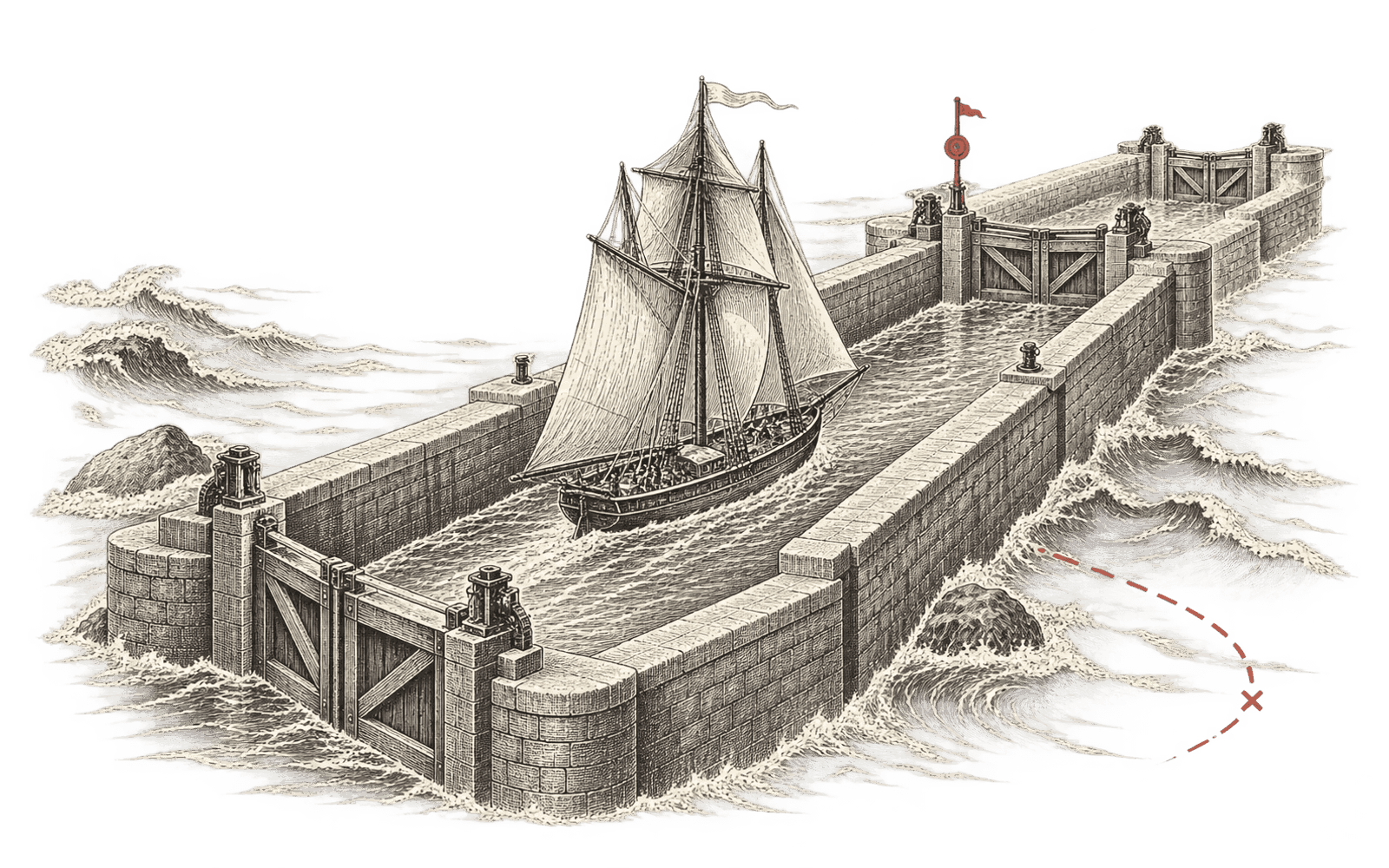
Each task names its acceptance criteria and the checks that must pass. The agent doesn't get to feel finished — it has to pass, or the task stays open.
Read the specification →
Done is a contract, not a vibe.
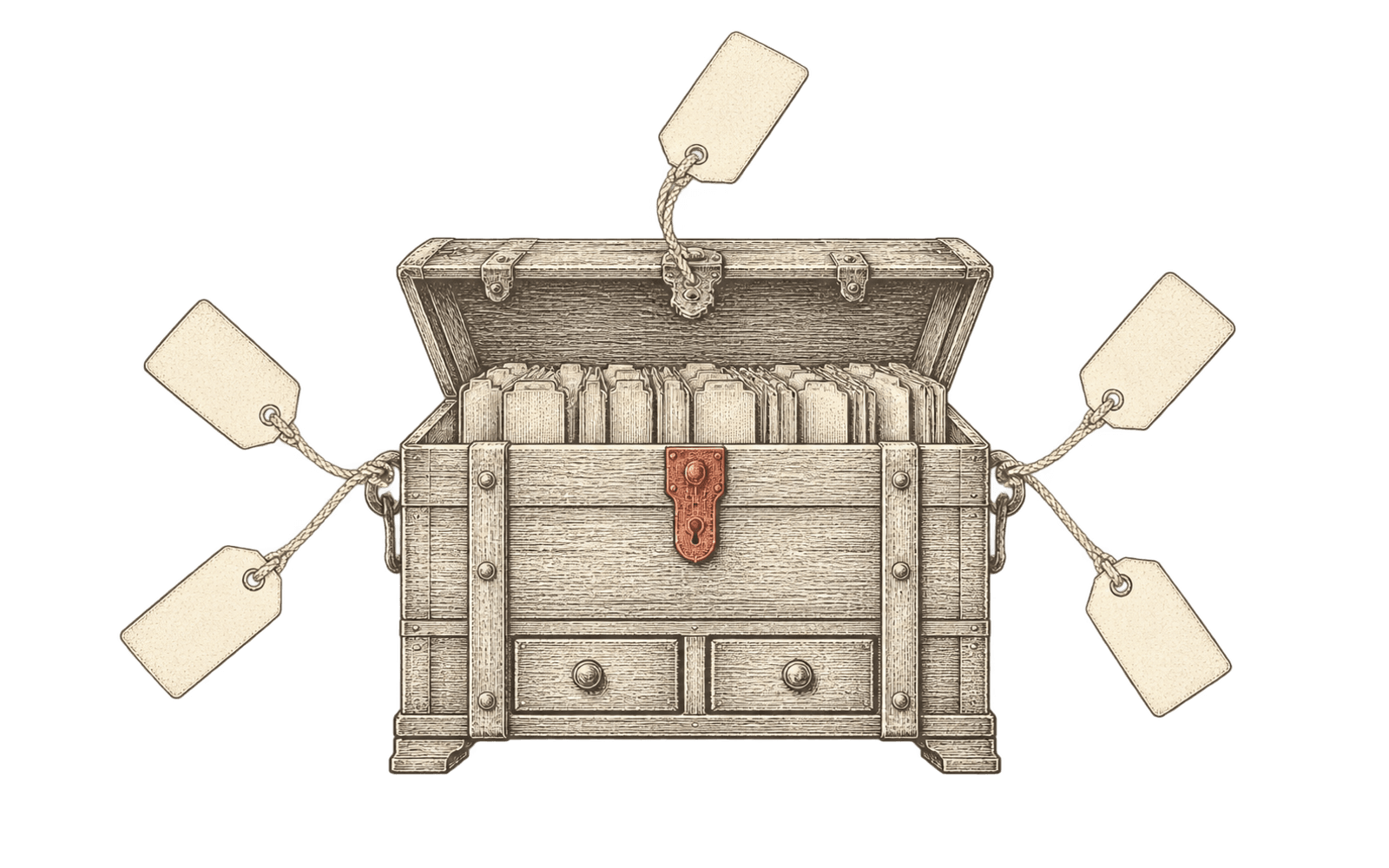
Context, tools, guardrails, and state live in your repository as plain files any agent can read. No lock-in, no external brain — it survives context resets.
See what onboarding generates →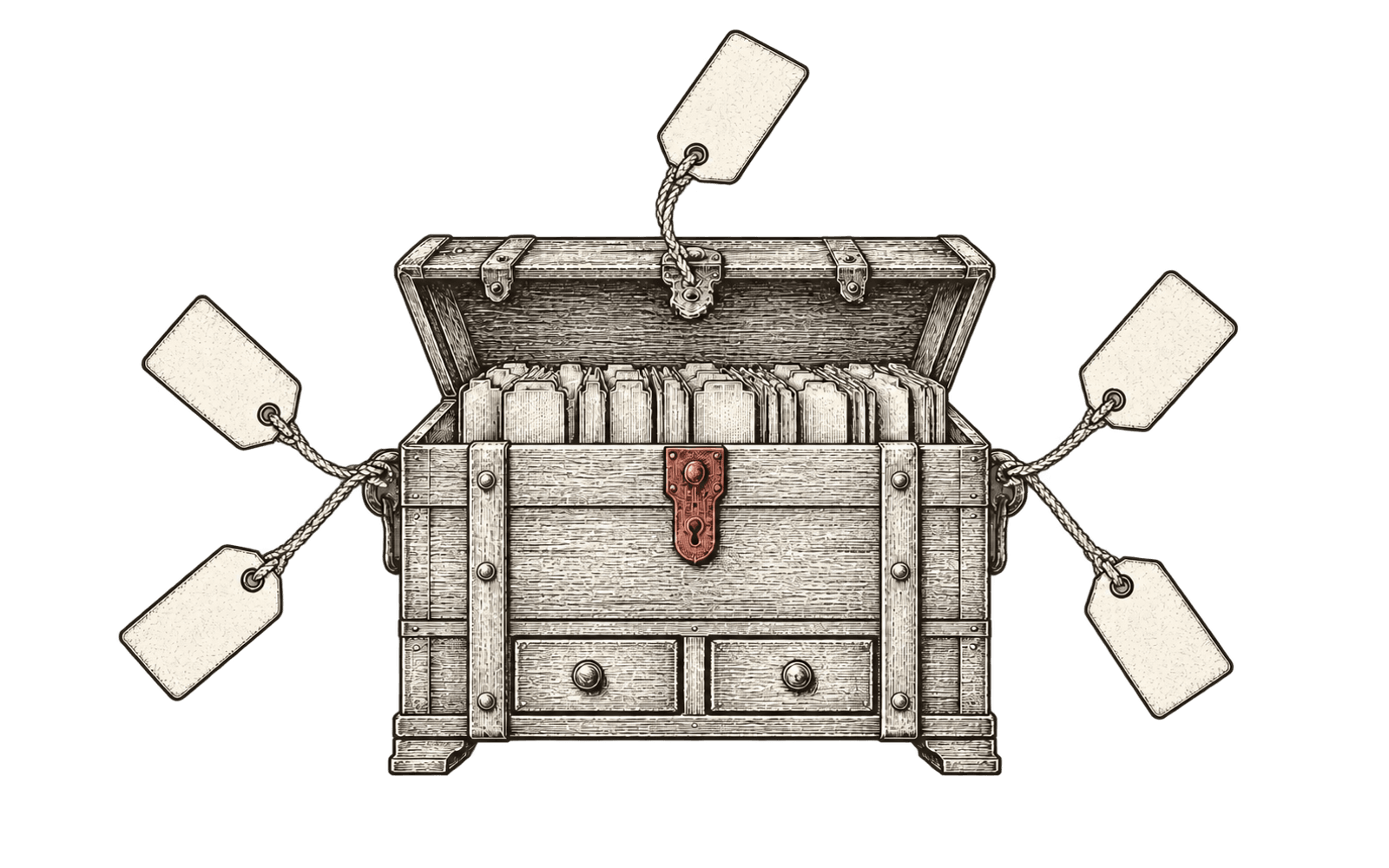
The repository is the harness.
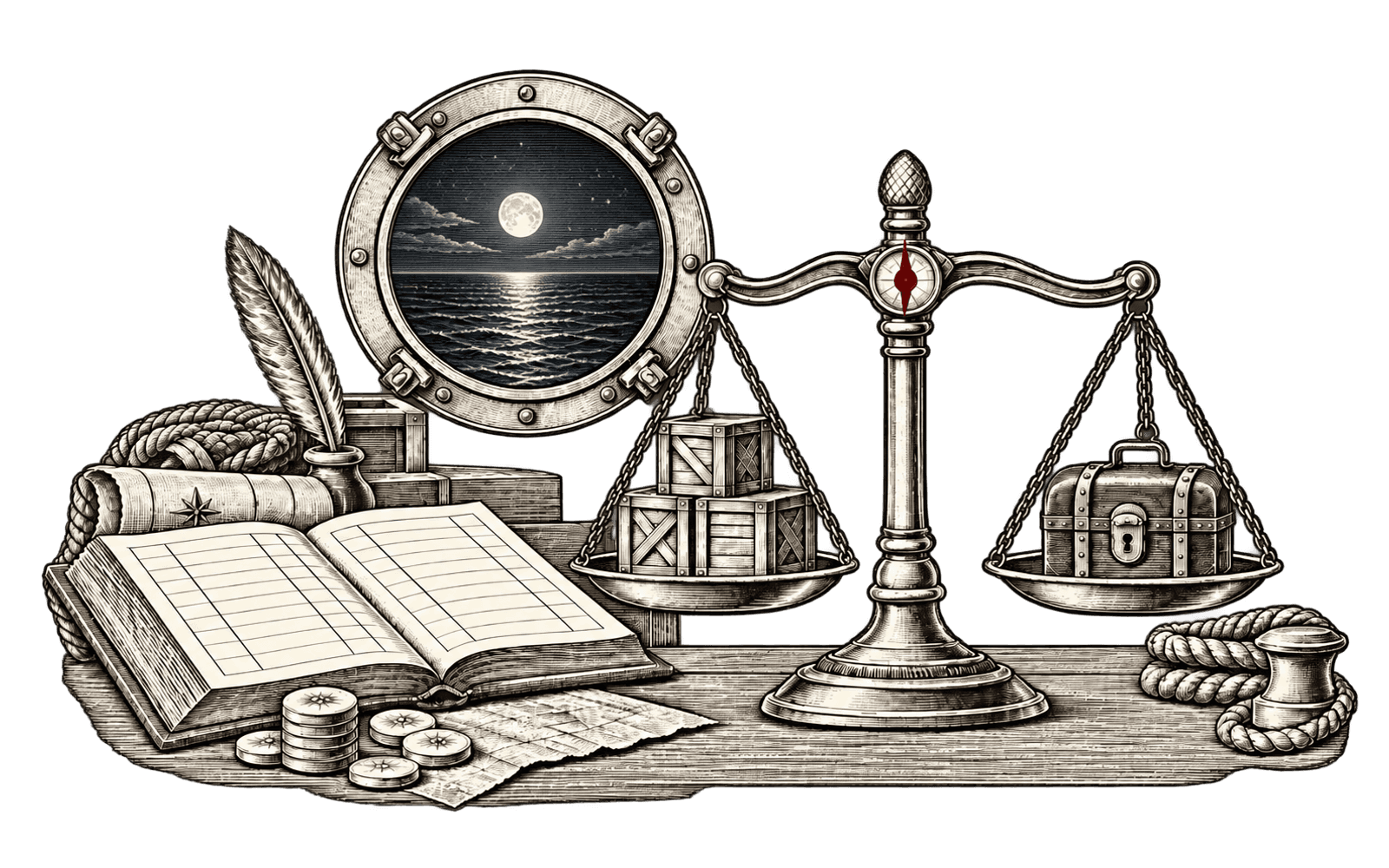
Context is the scarcest resource your agent has. The harness loads progressively, validates what changed, and learns task by task — with every flow’s instruction load measured and published, release after release.
Read the methodology →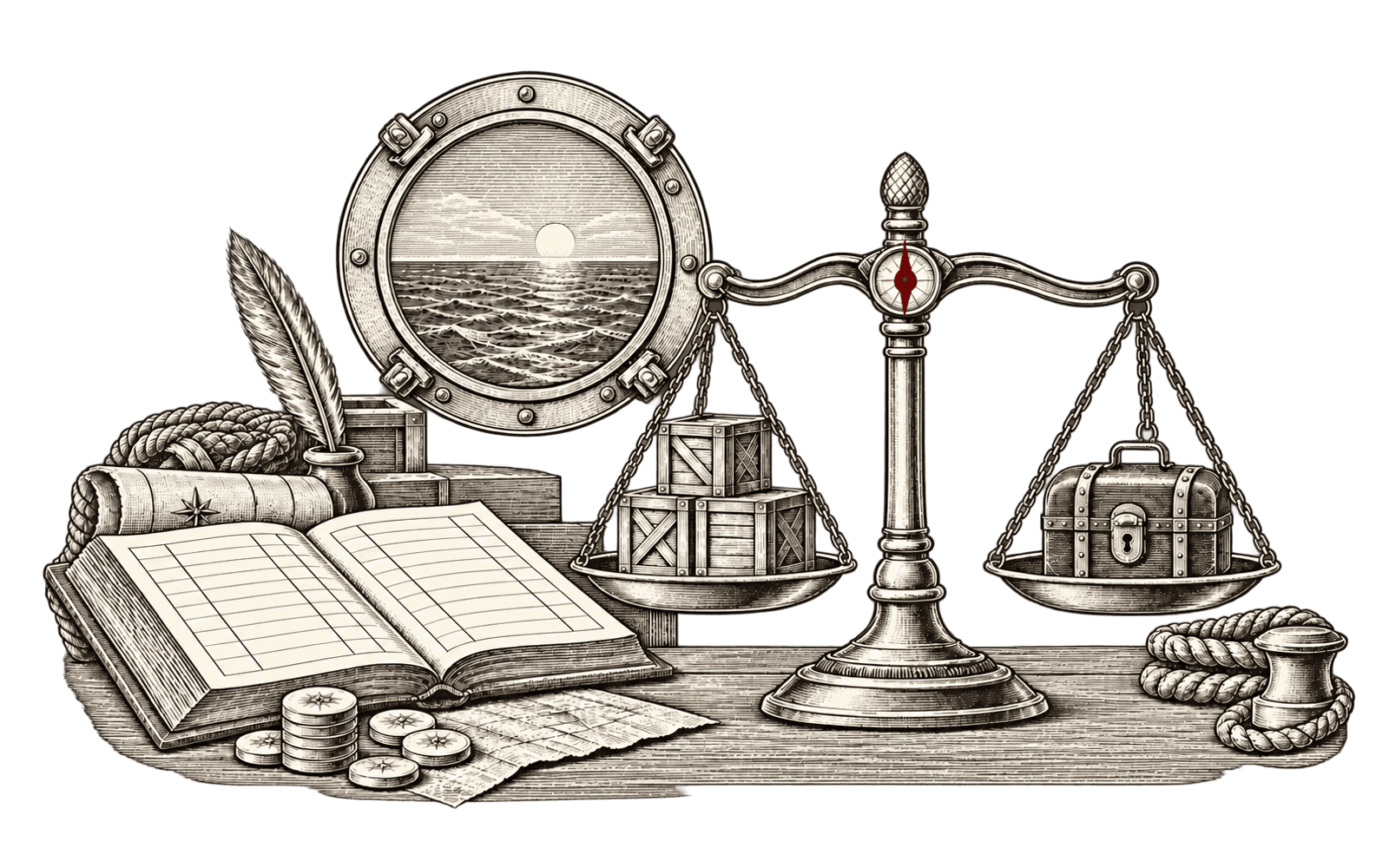
Every token counts.
Reasoning-based onboarding
The onboarding flow inspects your repository's actual languages, frameworks, package manager, and validation commands, then generates artifacts adapted to that repository. A generic stub is treated as a failure.
Reads manifests, folder layout, and CI to infer the real test, lint, and build commands, then classifies the repository as an individual repo or an orchestrator hub.
A reasoned AGENTS.md, a categorized docs/ hierarchy, and a README plus docs/ inside each major module — filled with your repository's real commands, not placeholders.
A cross-agent .agents/ directory (skills, agents, commands) and the .claude and .cursor to .agents symlinks, so every tool reads one source of truth.
Wires the Deep Work Plan skill and creates the gitignored .dwp/ folder for plans, installs the required AI Diff Reviewer local review, then optionally layers opt-in addons such as devcontainer support.
What happens when you run it
You do not pick an install method or copy a template. You hand your agent one line; it installs the skill — the reusable engine — and adapts your repository to it.
It reads the onboarding prompt at deepworkplan.com/init.md and the methodology, specification, and kit it links to — the standard it is about to adopt.
The skill is the engine — the same in every repository. One command pulls in the router and its sub-skills (create, execute, refine, resume, status, verify, onboard, author, upgrade) for Claude Code, Cursor, Codex, Gemini, and Copilot.
Reasoning about your real stack — never copy-pasting — it writes AGENTS.md, a categorized docs/ tree, per-module READMEs, a reasoned .agents/ kit, and a gitignored .dwp/. Your repository becomes the harness.
Generate long-horizon Deep Work Plans for any task and run them step by step, with explicit acceptance criteria, validation gates, and resumable state — autonomously, for hours.
The skill is installed identically everywhere; what is adapted is your repository — the AGENTS.md, docs, and reasoned .agents/ kit generated for your stack. That split is what makes the methodology a reusable standard rather than a one-off scaffold.
What you get
One run, committed atomically. Every output is Markdown and every change is auditable.
Reasoned from your repository's actual stack, commands, and structure — not a template with placeholders. CLAUDE.md is symlinked to AGENTS.md.
Architecture, setup, standards, and troubleshooting — plus a README and docs/ inside each major module, generated from your codebase.
A cross-agent .agents/ directory (skills, agents, commands) with the .claude and .cursor to .agents symlinks so every tool reads one source of truth.
create, execute, refine, resume, status, verify, onboard, author, and upgrade — available to your agent as a single skill pack, with no per-repository copy.
/dwp-verify produces an objective pass/fail report against the specification, so "AI-first" is verified, not asserted — and re-verifiable after every plan.
Onboarding classifies your repository as an individual repo (the common case) or an orchestrator hub that coordinates child plans across repositories.
The author sub-skill (skill-create, agent-create) lets the repository evolve its own skills, agents, and commands; opt-in maintenance add-ons such as dependency-upgrade help it keep itself up to date.
No daemon and no external state. Plans land in a gitignored .dwp/ folder, and any task resumes from git alone — even after context overflows.
Agents
One methodology, many adapters. Markdown couples the framework to nothing — every agent that reads Markdown can run a Deep Work Plan.
Reference implementation, with native WebFetch and slash commands.
Full adapter. Use the offline bundle if WebFetch is gated.
Offline bundle recommended; rules installed under .codex/.
Full adapter — the dwp-* commands run via AGENTS.md and # procedures.
Requires Gemini 2.5 Pro or newer, with native WebFetch.
Open source. Reads AGENTS.md natively and runs dwp-* via # commands.
Rules plus # command procedures drive the full Deep Work Plan loop.
Open source. Markdown rules and # commands run every dwp-* step.
Full adapter with a native command surface.
Stacks
These are reasoning aids, not templates. Onboarding reads your repository's real manifests and adapts per stack — it never blind-copies a preset. Monorepos get per-module docs.
Two archetypes
Onboarding forks on the archetype. Most repositories are individual repos. A hub coordinates child Deep Work Plans across many repositories. The methodology handles both as first-class.
Individual repository
one self-contained codebase
Orchestrator hub
coordinates sub-repositories
A single codebase with one primary stack, its own validation commands, and per-module docs. The default — onboarding assumes it unless the repository is clearly a hub.
For example, a Django API, a Vue app, or a TypeScript Lambda service.
A coordination repository that orchestrates work across sub-repositories via an orchestrator manifest, spawning child plans that each commit in their own repository, plus boundary rules and a navigation index.
For example, a hub coordinating five product repositories.
Methodology versus tool
Deep Work Plan is not another scaffolder. It is the methodology layer underneath any spec-driven or scaffolding tool, focused on multi-hour autonomous runs.
| Methodology versus tool | Deep Work Plan | Scaffolding / spec tools |
|---|---|---|
| Primary focus | Multi-hour autonomous execution | Spec or scaffold generation |
| Unit of work | A Deep Work Plan (resumable session) | A spec document or a scaffold |
| State model | Git-native .dwp/ folder, resumable | Often external or in-IDE |
| Agent coupling | Agent-agnostic (Markdown and Bash) | Often tool- or IDE-specific |
| Context recovery | Resumes after context overflow | Typically restarts the task |
| License | MIT, open methodology and kit | Varies |
Origin
Built by Dailybot — the company behind asynchronous standups for distributed teams. Internally we used Deep Work Plans to make production repositories spanning Django, Vue, TypeScript Lambda, and Astro agent-pilotable. After months of production use, we open-sourced the methodology under MIT.
 Learn about Dailybot
 Make your repository AI-first
Hand your agent one line — point it at /init.md — and it makes your repository AI-first: it installs the skill, reasons about your stack, and commits a complete AGENTS.md hierarchy. From there you create and execute Deep Work Plans that run autonomously for hours.
For agents & developersMIT-licensed · zero telemetry · outputs to a gitignored .dwp/ folder.
